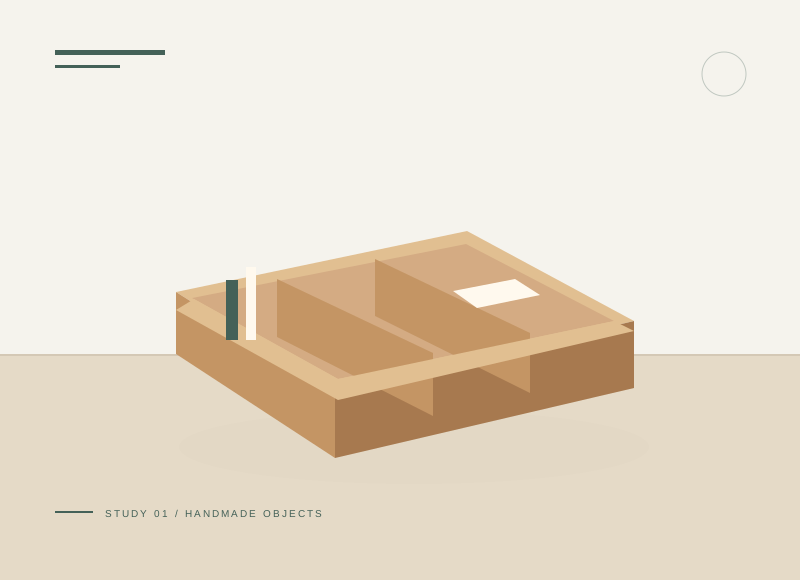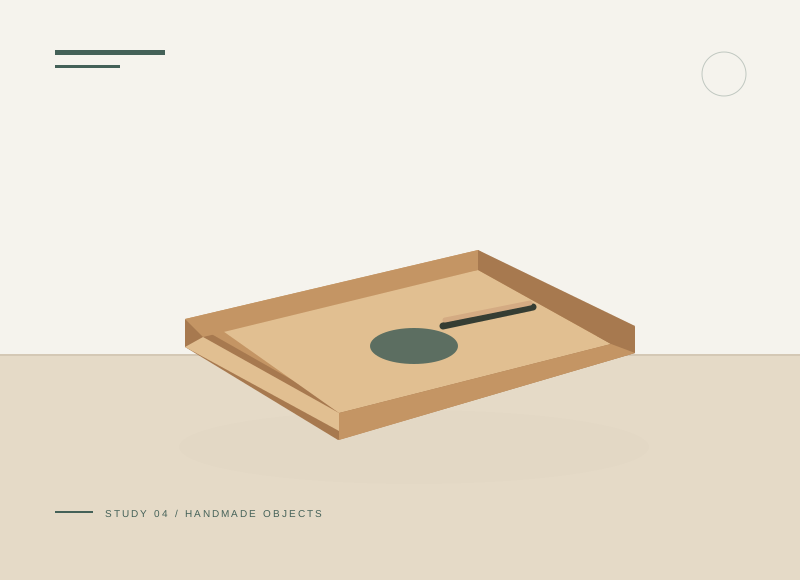
Fit, dimensions & layout
The existing shallow box supplies the structure; the covering is decorative. Inspect the corner bonds and test the empty shell before choosing paper. Measure its internal floor only after the exterior wrap and rim turn-ins have dried. A felt liner should drop in freely and remain removable, with enough clearance not to ride up the walls.
The illustration is a concept, not a scale drawing or a record of a tested build. Use a full-size template or dry fit to check the written layout with your actual materials.
Gather your materials
Tools to have nearby
Choose materials deliberately
Make it, step by step
Choose a sound box
Avoid stained, damp, or weak cardboard and check the corners.
Cover the outside
Leave paper allowance over the rim and apply a thin glue layer.
Check before moving onPlace the visible paper pattern deliberately on the long faces before adding glue.
Fold corners
Trim bulky overlaps and press flat before lining.
Fit the felt
Cut just smaller than the inside floor and leave it loose for cleaning.
Give it a purpose
Use for keys and a few cards on a stable indoor surface, rather than heavy tools.
Check before moving onStart with a few ordinary keys and cards, then check that picking them up does not pull the loose liner out.
Troubleshoot this project
Why does the covered rim wrinkle?
What to check. Too much material may overlap at corners or the paper may be pulled unevenly.
Next move. Work out one complete corner on scrap and trim allowances before covering the actual box.
Why is the felt forming a ridge?
What to check. The liner may be oversized or cut before the inside measurements changed.
Next move. Refit a paper template to the dry covered floor and cut the felt from that template.
The final check
The base sits flat and the rim has no lifting paper edges.
A loose liner is easy to replace when keys bring in dust.
Record your actual sizes, material changes, and the result of your fit check in your project notebook. Keep the product name with any finish or adhesive sample.
Use a stable work surface and tools within your experience. Follow the exact tool and product instructions for preparation, dust control, ventilation, and cure. These decorative concepts have no structural load rating. Stop if the material or existing finish cannot be identified.